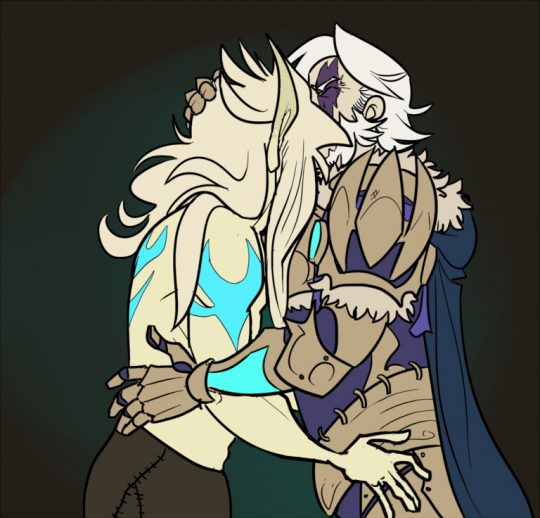
get hype for another expansion with no closure
🙂
:))))))
8)))))
latinwords: get hype for another expansion with no closure :) :)))))) 8)))))

“do you ONLY care about your ocs?”
no i also care about my friends’ ocs too
there are two good reasons why people wear zodiac signs
- they’re happy to wear their sign in public and it could be a great conversation starter and you know it looks really nice
- you know the second reason why you piece of filthy t r a s h
lets play a game its called “is that characters hair blue or stylistic black”
awesomedigitalart: Zombie Claus by kerembeyit

bestpal: kaniehtiio: i’m having a little giggle at the exodus reviews this is so funny omfg

christel-thoughts: dangerwaffle: castiel-knight-of-hell: masquerading-as-a-genius: sage-of-rocknroll-oromis: the-deaf-mermaid: giants0rbiting: I LITERALLY THINK THIS EVERY TIME THE SONG COMES ON What song is this talking about? ‘Baby It’s Cold Outside’
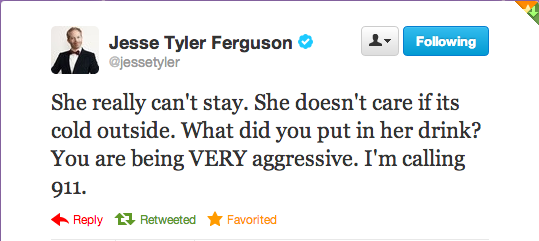
I LITERALLY THINK THIS EVERY TIME THE SONG COMES ON
What song is this talking about?
‘Baby It’s Cold Outside’
Otherwise known as the original ‘Blurred Lines’
HEY FRIENDS HISTORICAL REMINDER: ‘WHAT’S IN THIS DRINK’ ISN’T TALKING ABOUT DRUGS, HE IS NOT TRYING TO ROOFIE HER
THE SONG IS TALKING ABOUT ALCOHOL
but still a pushy song
historical reminder that the reason pina coladas and pink squirrels are known as “girly drinks” is because they mask the taste of alcohol and men were know to give women these drinks without informing them that they were alcoholic. It takes a couple of drinks to realize you’ve been consuming alcohol and by then you’re more susceptible to suggestion, making it easier for him to convince you to stick around and have a third drink. When this song was written in 1944 most women didn’t drink regularly, meaning they had a low tolerance and it would only take 2-3 drinks to get her drunk enough that she wouldn’t be able to put up much of a fight. This was the 1940s version of being roofied
No no no it was not.
“Hey what’s in this drink” was a stock joke at the time, and the punchline was invariably that there’s actually pretty much nothing in the drink, not even a significant amount of alcohol.
See, this woman is staying late, unchaperoned, at a dude’s house. In the 1940’s, that’s the kind of thing Good Girls aren’t supposed to do — and she wants people to think she’s a good girl. The woman in the song says outright, multiple times, that what other people will think of her staying is what she’s really concerned about: “the neighbors might think,” “my maiden aunt’s mind is vicious,” “there’s bound to be talk tomorrow.” But she’s having a really good time, and she wants to stay, and so she is excusing her uncharacteristically bold behavior (either to the guy or to herself) by blaming it on the drink — unaware that the drink is actually really weak, maybe not even alcoholic at all. That’s the joke. That is the standard joke that’s going on when a woman in media from the early-to-mid 20th century says “hey, what’s in this drink?” It is not a joke about how she’s drunk and about to be raped. It’s a joke about how she’s perfectly sober and about to have awesome consensual sex and use the drink for plausible deniability because she’s living in a society where women aren’t supposed to have sexual agency.
Basically, the song only makes sense in the context of a society in which women are expected to reject men’s advances whether they actually want to or not, and therefore it’s normal and expected for a lady’s gentleman companion to pressure her despite her protests, because he knows she would have to say that whether or not she meant it, and if she really wants to stay she won’t be able to justify doing so unless he offers her an excuse other than “I’m staying because I want to.” (That’s the main theme of the man’s lines in the song, suggesting excuses she can use when people ask later why she spent the night at his house: it was so cold out, there were no cabs available, he simply insisted because he was concerned about my safety in such awful weather, it was perfectly innocent and definitely not about sex at all!) In this particular case, he’s pretty clearly right, because unlike in Blurred Lines, the woman actually has a voice, and she’s using it to give all the culturally-understood signals that she actually does want to stay but can’t say so. She states explicitly that she’s resisting because she’s supposedto, not because she wants to: “I ought to say no no no…” She states explicitly that she’s just putting up a token resistance so she’ll be able to claim later that she did what’s expected of a decent woman in this situation: “at least I’m gonna say that I tried.” And at the end of the song they’re singing together, in harmony, because they’re both on the same page and they have been all along.
So it’s not actually a song about rape – in fact it’s a song about a woman finding a way to exercise sexual agency in a patriarchal society designed to stop her from doing so. But it’s also, at the same time, one of the best illustrations of rape culture that pop culture has ever produced. It’s a song about a society where women aren’t allowed to say yes…which happens to mean it’s also a society where women don’t have a clear and unambiguous way to say no.
this was amazing from beginning to end.