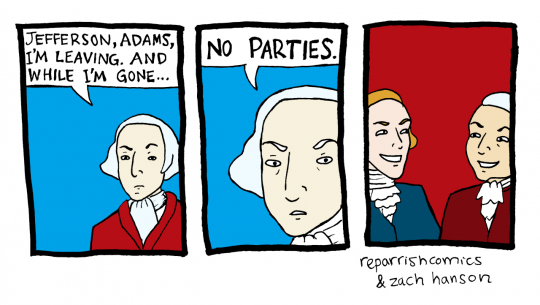
this is one of the best puns i have ever seen
I sent this to my government teacher and he said it was the funniest thing a students ever showed him
bl-urryface: youjustgotunfollowed: this is one of the best puns i have ever seen I sent this to my government teacher and he said it was the funniest thing a students ever showed him
coming out of my cage and i’ve been doing just
gun
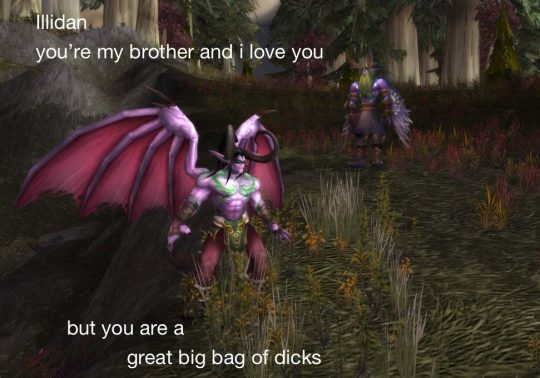
tevruden: I had to do this properly.
What if Dr Maheswaran meets Stevonnie but doesn’t realise it’s Steven and Connie and she drags Stevonnie around to try to help her find these 2 kids who have mysteriously vanished.
#and when she’s not looking they unfuse and she makes them look for stevonnie
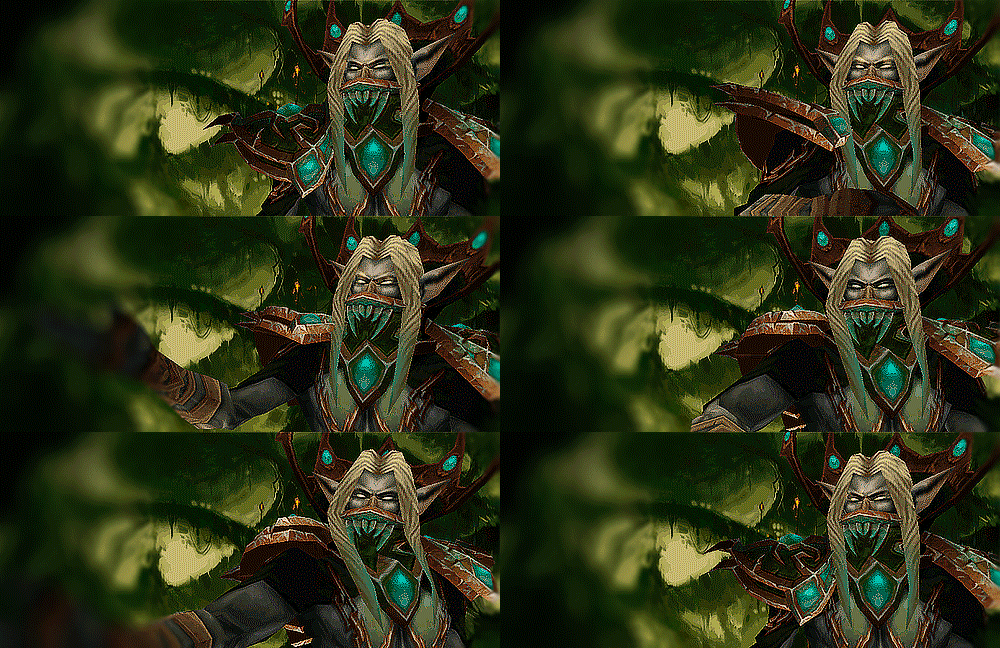
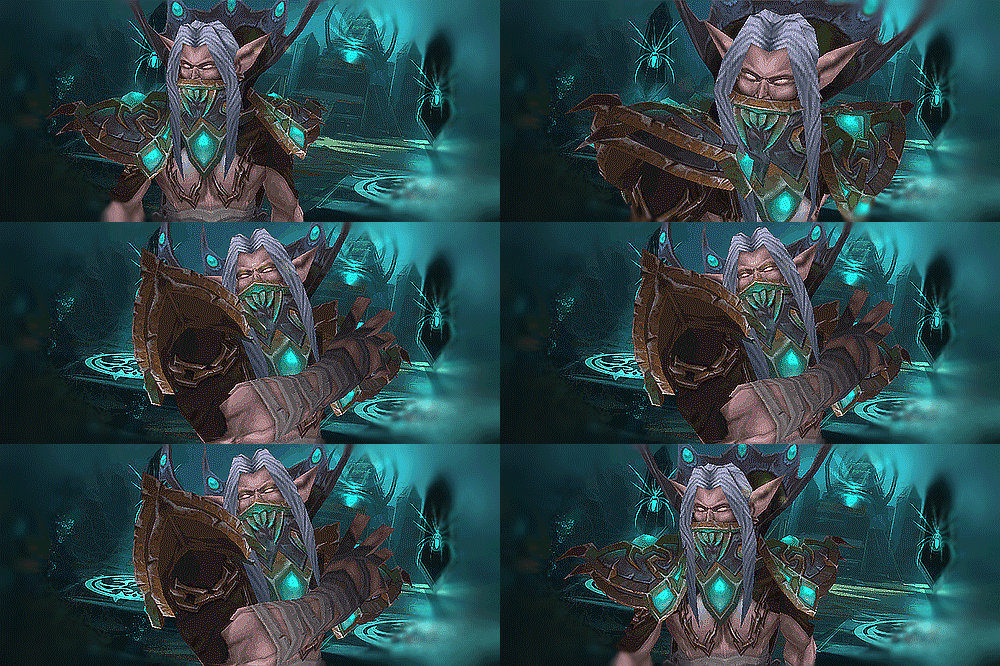
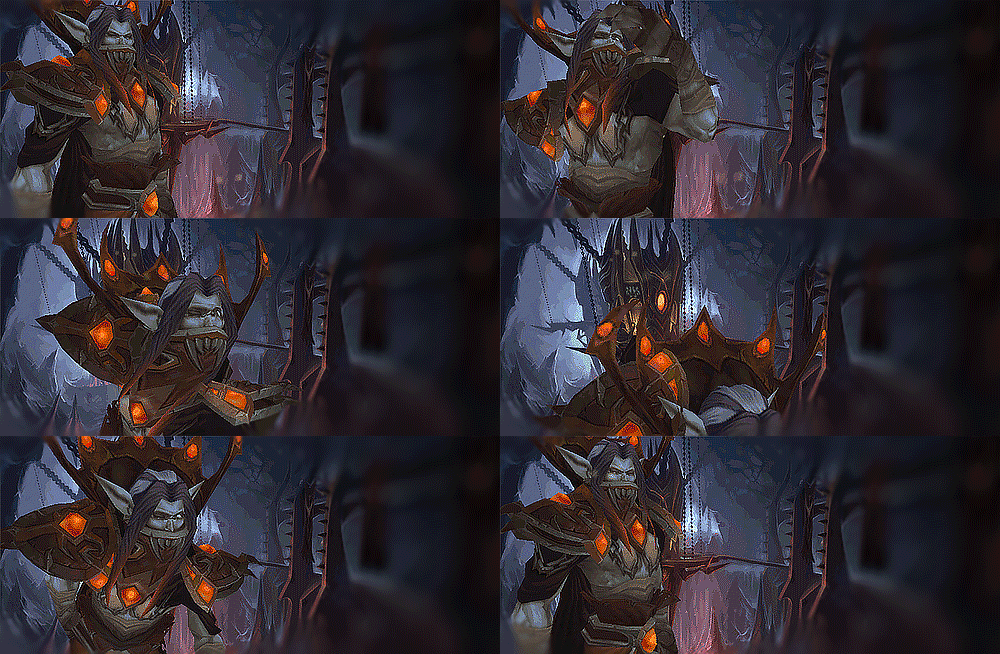
drovie:Got my prescription filled and noticed something.. apparently they WANT TO KNOW MY LOYALTIES. *whispers* For the Horde
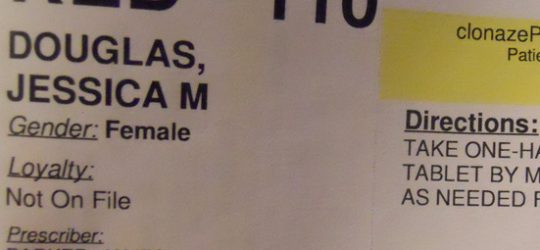
Got my prescription filled and noticed something.. apparently they WANT TO KNOW MY LOYALTIES.
*whispers* For the Horde
I like my men like I like my elves.
Actually forget the men
I like elves.
Some of my favourite linguistic developments
‘Is that a thing?’ for ‘does that exist?’
Deliberate omission of grammar to show e.g. defeatedness, bewilderment, fury. As seen in Tumblr’s ‘what is this I don’t even’.
‘Because [noun]’. As in ‘we couldn’t have our picnic in the meadow because wasps.’
Use of kerning to indicate strong bewilderment, i.e. double-spaced letters usually denoting ‘what is happening?’ This one is really interesting because it doesn’t really translate well to speech. It’s something people have come up with that uses the medium of text over the internet as a new way of communicating instead of just a transcript of speech or a quicker way to send postal letters.
Just the general playing around with sentence structure and still being able to be understood. One of my favourites of these is the ‘subject: *verbs* / object: *is verb*’ couplet, as in:
Beekeeper: *keeps bees*
Bees: *is keep*or
Me: *holds puppy*
Puppy: *is hold*I just love how this all develops organically with no deciding body, and how we all understand and adapt to it.
Man but the current usage of “is that a thing?” is not just standing in for “does that exist?” or it wouldn’t be nearly as interesting. It can, depending on context mean:
“Is that a thing (that exists)?”
“Is that a thing (that people do)?”
“Is that a thing (that’s considered normal)?”
“Is that a thing (that’s possible)?”
“Is that a thing (that’s significant)?”In a lot of cases “a thing” is standing in for the much more archaic phrasing “the done thing”, as in “is bringing host gifts to a summoning ritual (the done thing | a thing)?”
And that’s interesting in and of itself but it also encompasses all those other meanings with very few miscommunications. Despite the multipurpose phrasing we almost always understand what someone is asking when they ask if something is a thing, and that’s *really cool*